
Meet the Team: Emily Liscum

If you’ve scheduled a consultation at Arizona Center for Reproductive Endocrinology & Infertility, then you’ve probably met Emily Liscum, our office supervisor. She’s been an integral part of our team for almost six years and is one of the first people you’ll meet as you start your infertility journey with us.

Emily’s is a woman of many hats; her job at AZCREI entails a little bit of everything. She handles many of the financial aspects of our center, such as the coding and billing, as well as receptionist tasks and assisting with IVF consultations.


More Than Just a Financial Confidante

Most patients will know Emily as the person to go to for insurance questions and help with payment plans. Her work entails more than just money though, a large part of what she does focuses on building relationships. “It’s really important to build relationships because we don’t want our patients to ever feel alone,” she says. “The part that I deal with the most is the money part, and that’s often the scariest beyond the procedure itself.”

Our team realizes that infertility treatment can be costly, and Emily is our champion in helping you feel comfortable, not just with the treatments and procedures themselves, but with the money you’re investing in your future family. “Money is a big thing,” she says. “If you have a question about it, don’t be afraid to ask. That’s what we’re here for.”

Emily’s goal is to help you feel confident with your decision to move forward with treatments—and she’ll continue to meet with you and answer your questions until you have that certainty.

“My favorite part of the job is just seeing them understanding and excited,” Emily says. “Obviously, if they get pregnant that’s even more incredible, but having them come to me with their excitement, fears, everything—it feels good to know that they trust me with something so important like that.”


Leading Our Team of Support

We want our patients to know that you’re not alone, you have a whole team here to assist you. “Some of us have gone through the procedures ourselves,” Emily says. “And in the time frame I’ve been here, I’ve learned so much.”

Infertility can often be more complex than other medical issues, in that it isn’t something where you can type your symptoms into Google and quickly determine a cause or solution. Emily and the rest of our team will help you find the answers to your specific questions. Whether it’s about potential medication conflicts, insurance coverage, or emotional support outside of our clinic, we will help you figure it out. If it’s a question we don’t have the answer to immediately, we’ll talk to Dr. Gelety and have him get back to you with an answer. We’ll never leave you hanging or give you a vague or unhelpful response.


Specialized Care, Personalized Support

All of our patients come to AZCREI because they want to overcome their infertility. While each woman is dealing with her own specific condition and situation, they all have the same general issue: there’s something hindering them from getting pregnant. Because of this, our team is able to offer specialized care from a medical standpoint. Dr. Gelety has been helping women overcome their infertility for more than 30 years; we know what we’re doing in helping women achieve a successful pregnancy.

We’re also able to offer our patients specialized care from an emotional standpoint. “We’re here to make sure you feel comfortable in knowing that we’re doing all that we can to help you,” Emily says. “We’re a very small clinic, and we work together to be on the same page [in offering patients support]. I think that’s what kind of sets us apart from other clinics or medical offices.”

No matter what infertility difficulties you may be facing or what questions you have about the process, Emily and the rest of our team at AZCREI are here to walk with you along this journey and help you feel comfortable, confident, and excited at the prospect of growing your family. For more information or to schedule an appointment, visit us online or call 520-326-0001.

Your Options After Tubal Ligation

At Arizona Center for Reproductive Endocrinology & Infertility, tubal ligation is one of the most common reasons for referral of patients who are thinking of having another child.

There are several options for “permanent sterilization,” which many women and couples choose to use as birth control, but the most common is tubal ligation, also known as having your tubes tied. The procedure is usually done laparoscopically, which means it is minimally invasive, and can be done the day of the delivery or in the days following—depending on circumstances. With interval ligation, the procedure is completed some time—six months to a year or even beyond—after a woman has given birth.


Types of Tubal Ligation

When women have had a tubal ligation and they visit us wanting to have another child, one of the things we talk about is the type of technique that was used to tie their tubes. This factor determines the success of treatment and ultimately having a baby.

Non-cautery

With non-cautery tubal ligation, the doctor does not burn the fallopian tubes. Some popular methods of non-cautery procedures include Filshie clips and the Yoon ring; these are applied through a laparoscope and tend to not be as damaging to the fallopian tubes over time.

Tubal Cauterization

Tubal ligation through a cautery procedure is considered the traditional method for permanent sterilization. An instrument is used to cauterize (or burn) the fallopian tubes. This often damages and destroys much of the tubes, making it difficult to surgically put back together.

Essure Coils

Although, it’s not technically tubal ligation, using Essure coils as a form of permanent sterilization is becoming more common. The Essure coil is placed into the fallopian tubes through the cervix and uterus. Some patients have reported pain after the procedure. It’s a very reliable method of birth control, and it’s essentially the same as having your tubes tied, but it doesn’t leave an abdominal scar from the procedure. It’s possible to reverse the procedure, but the coil causes such damage to the fallopian tubes that it is difficult for a woman to get pregnant even after they’ve been removed.


Pregnancy After Tubal Ligation

“Treatment,” or helping a woman achieve pregnancy after a tubal ligation procedure, typically falls into two categories.

Tubal Reanastomosis

Tubal reanastomosis requires removing scar tissue or the clip/ring and putting the intact and undamaged parts of the fallopian tube back together using micro-surgery. Although this is a successful and common procedure, it can be expensive and also runs the risk of a woman having an atopic or tubal pregnancy.

In Vitro Fertilization

The other option for reversal is in vitro fertilization, which doesn’t require any type of surgery to put the tubes back together. It’s done in the usual process, by retrieving and fertilizing the egg in vitro, then placing the embryo into the uterus. Because IVF is so successful and much less expensive, it’s usually a more cost-effective option than tubal reversal surgery.

When we treat a woman through tubal reanastomosis, she can theoretically go on to have as many babies as she wants. Most women who opt for tubal ligation have already had children, and want it reversed in order for them to have a baby with their new partner. IVF is usually the better option in this case, because after the woman gets pregnant, her birth control method is still in place since her tubes are still tied.

Many patients end up choosing IVF as their treatment because it’s easier, less expensive, less invasive, and delivers quicker results. With IVF, there is a high likelihood that a woman can get pregnant the same month she begins treatment. Tubal reanastomosis, on the other hand, requires several months of recuperation, plus the time it takes to achieve a natural pregnancy. It’s also not guaranteed that a woman is able to have a successful pregnancy after the surgery; there’s a chance she will have an atopic or tubal pregnancy, which results in complications, and will then need to have IVF in order to have a baby.


One thing we want our patients to understand is that it’s relatively easy to have another child after their tubes have been tied; it’s just a matter of how we go about doing that. Treatments and procedures are always your choice. Regardless of the treatment you decide to proceed with, our team at AZCREI will walk with you through the process, answer your questions, and be there for you every step of the way. To schedule a consultation, contact us online or call (520) 326-0001.

The Reason Freezing Your Eggs Now Could Save You Heartache in the Future

At Arizona Center for Reproductive Endocrinology and Infertility, women from all walks of life come into our office to have their eggs frozen. More often than not, the common theme between all of them is the realization that they wish they would have done it sooner.

Many come in asking themselves: Why have I waited so long? Do I definitely want kids? Is it too late? What have I done?

There comes a time in most women’s lives when they’re faced with making the choice of whether or not to have a child. Many put off the decision until they’re faced with immediate pressure (marriage, hitting a certain age, a surprise or accidental pregnancy, etc.), but it’s something that should really be addressed or thoughtfully considered as early as possible.

Even if you’re unsure if you want to have kids one day, freezing your eggs now can give you more time to consider your options and save you heartache in the future. Here’s why.


Investing in Your Future

If you know it’s going to be a while before you have children, but think you might want children in the future, the earlier you can freeze your eggs, the better. While there is no age limit to when you can freeze your eggs, it’s recommended to do so at as young an age as possible. The younger you are when you undergo the procedure, the healthier and more viable your eggs will be, reducing the chances of complications if and when you do decide to have a baby.

Egg freezing gives you the ability to preserve the possibility of having children as you get older, wait to get married or start a family. Freezing your eggs now is investing in your future. You’re saying, “I’m not sure how my life or family will look like in X number of years, but I want to keep my options open.”

You never know what life is going to deal you.

You may come down with an illness or disease that prevents you from having children later in life. For instance, women who are diagnosed with cancer and plan to undergo chemotherapy will elect to freeze their eggs beforehand, since it allows them to preserve their eggs before the cancer treatment can damage them. Even if you are healthy, saving your eggs now means that if something should happen, you can still become a parent.

Of course, egg freezing also allows you to focus on your passions and get ahead in your career, without your biological clock ticking away. Being able to wholeheartedly pursue your dreams and goals will more than likely lead to a better future for you and your potential family.

Freezing your eggs ensures that you have the option to get pregnant whenever you choose to do so. It’s a tremendous advantage that decreases your risk of having to deal with infertility issues once you decide to start your family.


Nothing is Ever Guaranteed

Freezing your eggs doesn’t guarantee that you will definitely get pregnant and have a baby in the future. It does, however, raise the likelihood that you are able to achieve a pregnancy later in life.

Every woman’s chances of pregnancy are different. There are many factors that need to occur in order for a pregnancy to happen using frozen eggs: the eggs have to be healthy and viable at the time of freezing, they have to survive thawing, and they have to successfully fertilize and implant. AZCREI is among the top 10 fertility clinics in the country, with a 30 percent pregnancy rate for a single live birth.

Just because you decide to freeze your eggs, doesn’t necessarily mean you have to use those eggs to achieve pregnancy. You may still be able to have a baby naturally, even when you’re older. If you do experience complications or difficulty, your frozen eggs are saved so you can elect to do an in vitro fertilization or other fertility procedure to get pregnant.


If you have questions regarding egg freezing or would like to schedule an appointment for the procedure, contact the Arizona Center for Reproductive Endocrinology & Infertility today by calling (520) 326-0001 or visit us online.

Can ICSI Help You Get Pregnant? Here’s a Closer Look at the Procedure

When couples have a particularly difficult time getting pregnant, and IVF does not work, they often think all hope is lost. While IVF is generally successful, it’s not the last or ultimate option to overcoming infertility. Sometimes, the cause of infertility has to do with the sperm, not necessarily the woman, egg, or uterus, and in those cases, there is another solution available: Intracytoplasmic Sperm Injection (ISCI).

ICSI is a revolutionary IVF procedure that provides a fertility solution to men who previously didn’t have one. In 2007, 63% of cases using assisted reproductive technology involved ISCI, proving the effectiveness of the treatment.

Some couples elect for ICSI in order to maximize fertilization. However, this procedure is typically not necessary unless there are sperm-related causes to infertility.

What is ICSI?

ICSI is very similar to in vitro fertilization; the egg and sperm are collected from each partner and then fertilized. With ICSI, fertilization occurs by using a fine glass needle to inject a single sperm directly into the egg.

With this procedure, very few sperm are required and the ability of the sperm to penetrate the egg is no longer a factor.

Who Can ICSI Help?

ICSI is considered necessary for couples when an abnormal semen analysis has been observed. The procedure is combined with the IVF to help couples dealing with male infertility. It can be the solution to several issues, including:

  • Low Sperm Concentration
  • Poor Sperm Motility
  • Abnormal morphology
  • Sperm Antibodies
  • Blockage of the Vas Deferens
  • Ejaculate with no sperm

If a man does not have any sperm in his ejaculate, but he is producing sperm, ICSI may be done after testicular sperm extraction (TESE). Sperm that is collected through TESE requires the use of ICSI, since the number of sperm retrieved is low.

In some situations when previous IVF procedures resulted in few or no fertilized eggs, ICSI may be tried during the next cycle.

ICSI may also be a viable option if fertilization is attempted using frozen sperm. Sometimes, thawed sperm do not become especially active, and in those cases, fertilization is more likely to occur if the sperm is injected directly into the egg. Likewise, it may be used when attempting fertilization with frozen eggs; the vitrification, or freezing process, can sometimes harden the egg’s shell. ICSI can help overcome that problem.

The ICSI Treatment Process

The ICSI procedure involves harvesting the sperm using a glass biopsy needle and then transferring the collected sperm into the egg.

Sperm is collected via one of two ways offered at our clinic:

  • Masturbation
  • TESE

From a woman’s perspective, undergoing an ICSI treatment cycle is exactly the same as a conventional IVF cycle. Since ICSI is done in the lab, the procedure won’t seem much different than an IVF treatment without ICSI.

As with regular IVF, the ovaries are stimulated to encourage the development and maturation of the eggs. The eggs are then removed from the ovaries with a specialized, ultrasound-guided needle. Once the eggs are retrieved, an embryologist will place the eggs in a culture and use a microscope and fine needle to inject a single sperm into an egg. This last step is repeated for each egg that is retrieved. If fertilization occurs, the embryo is transferred back into the uterus.

Arizona Center for Reproductive Endocrinology & Infertility offers the best execution of these procedures, helping couples affected by male factor infertility.

If you have been told that there are abnormalities with any sperm test results, you may want to give ICSI serious consideration. At AZCREI, we focus on uncovering the cause of infertility, explaining the options, and providing a reliable solution. We will be glad to discuss your situation and help you find the best treatment so that you can have a healthy, happy baby. Set up an appointment today by contacting us online or calling (520) 326-0001.


What You Need to Know to Prepare Yourself When Seeking Infertility Treatments

There’s a lot of misconception about what goes into infertility treatments. When patients visit us at Arizona Center for Reproductive Endocrinology & Infertility, they’re expecting to go through difficult, time-consuming, invasive, draining treatments and are worried they’re unprepared. Many of them have that belief because of what the media has portrayed or because of what friends or acquaintances have shared.

The truth is, everyone’s fertility path is different. What one couple goes through to have a baby is not going to be the same for another couple. While it is still a journey, there is far less preparation than most women think they need. Read on to find out what you actually need to know to get ready for infertility treatments.

Mental Preparation

Being mentally prepared for treatments requires dropping your pre-conceived notions about what infertility procedures entail.

Everyone’s Obstacle is Different

It’s important to realize that everybody’s fertility roadblock is different; not everyone has the same issue. Almost every day we meet with a patient who tells us about their friend who had gone through treatments and it was very expensive and extremely difficult. There are many underlying causes of infertility, and treatments will vary for a variety of reasons. What we want you to realize is that everyone has their own unique path to parenthood.

There is No One-Size-Fits-All Treatment

Likewise, there is no one single treatment that will work for everyone. A lot of women and couples come in to see us, and they think they’ll need in vitro fertilization, as if that is the only solution available. When they come in with that idea, and we take another route or IVF doesn’t work out initially, it can feel even more devastating. At AZCREI, our treatment plans are personalized to each patient and their needs. What ends up working for you might be something you’ve never heard of, and pregnancy might not occur on the very first try. Remember you have options, and there will always be next steps to take to help you get pregnant.

Physical Preparation

We look at infertility treatments like a science; while there are some things you can do to make treatments more successful, there are really only two things you have to be concerned with to physically prepare for procedures.

Be Generally Healthy

Women should go into treatments as healthy as they can. Part of this means being able to provide us with as much of their medical history as possible, because this can shed light on any possible issues and help us correct whatever the problem might be sooner rather than later. The other aspect of being “generally healthy” consists of common-sense behaviors like not smoking and limiting alcohol and caffeine consumption.

Don’t Delay Treatments to Get “Healthy”

Sometimes we’ll meet with patients who think that they need to get healthy—start a better diet, lose weight—before they can start any infertility treatments. Surprising to some, that’s not always the best idea. Putting off an evaluation because you want to get healthier can be counterproductive in some cases. The younger your eggs are, the easier it is to achieve a pregnancy; so, the sooner we start treatments, the better.

The simple rule of thumb for knowing when it’s time to come in for a consultation is:

  • Women younger than 35 should come in if they have not gotten pregnant after a year of trying.
  • Women over 35 should come in if it’s been six months without a successful pregnancy.
  • Any woman or couple who is experiencing a more obvious problem, like irregular menstrual cycles or issues with ejaculation, should come in right away; there is no reason to wait.

At the end of it all, couples always tell us they wish they would have started infertility treatments sooner, and that the process wasn’t as expensive, difficult, or invasive as they anticipated. When they get to experience the joy of holding their baby after years of obstacles, it brings our team joy as well. We’re here to support you every step of the way. To schedule your consultation, call (520) 326-0001 or visit us online.

A Look at the Way Some Patients Are Paying for the Cost of Infertility Treatments


When we meet with our patients, the most common concern is the cost of fertility treatments. While our primary goal at the Arizona Center for Reproductive Endocrinology & Infertility is to help patients have a baby, we don’t ever want to leave these couples and women in the lurch when it comes to paying for treatments.


We do everything we can on our part to mitigate the costs and help you explore financial options to make procedures more affordable. We also start with the simplest and most inexpensive treatments first, before moving on to costlier procedures.


In our more than 20 years of helping families, we’ve seen some patients get creative in the ways they pay for their infertility treatments. Here are five of the most common approaches our patients are using that may work for you as well.


Medical/Personal Loans

We suggest medical or personal loans (in lieu of using a credit card) for many of our patients who do not have the funds immediately on hand. APR rates tend to be much lower for these types of loans than for credit card charges. Since personal loans typically require fewer questions than medical loans, many patients choose that option; that way, they have less of their personal medical record information on file at a bank.


Saving

Because we tend to start off with less expensive treatments, such as intrauterine insemination (IUI)—which sometimes costs just $300 per procedure—patients are able to pay out of pocket. Other patients who know they likely need IVF to conceive (usually because they’ve had tubal ligations or are missing their fallopian tubes), will come into our office having started saving money ahead of time. Usually, they are surprised by the cost of treatments, expecting it to cost much more than what they end up paying; again, that’s because our team works diligently to help reduce the costs in any way we can.


Family

We’ve had several patients who mention to us that their families are providing financial help. There are parents (of the couple) who want to be grandparents or know how badly their child wants a baby that they are willing to fully or partially fund procedures. Sometimes they even come to appointments and are involved with treatments because they’re so excited for the couple.


Fundraising

In rare occasions, patients have opened online fundraising accounts to cast a wider net and ask more friends and family to help fund their treatments.


Insurance

Most of our patients will have insurance coverage for their ultrasound visits. However, lab work—because we do everything in-house, rather than sending it out—is not covered. All other procedures are dependent on the particular benefits of a patient’s insurance. However, Dr. Gelety will always try to diagnose medical reasons—beyond those related just to infertility. That way, as many treatments or medications will be covered as possible, even when a patient does not have infertility insurance.


Some patients do specifically have infertility coverage, though, and others often ask us if this is something they should consider before beginning treatment. In vitro coverage is usually very rare, and there are many requirements by the insurance in order to qualify. Every insurance company is different, but typically, there are stipulations such as needing to be a certain age, having timed and unprotected intercourse for a specific amount of time, and completing various tests or treatments in order to meet the all the prerequisites.


We try to help patients navigate all their insurance options but recommend they talk to an HR or insurance company representative to get specific benefit details.


We know you are very eager to start or grow your family, and we want you to know we’re on your team and want you to have a healthy, happy baby—without being burdened with financial stress. For more information on what starting a family may cost you and to explore your options, visit us online or call 520-326-0001.
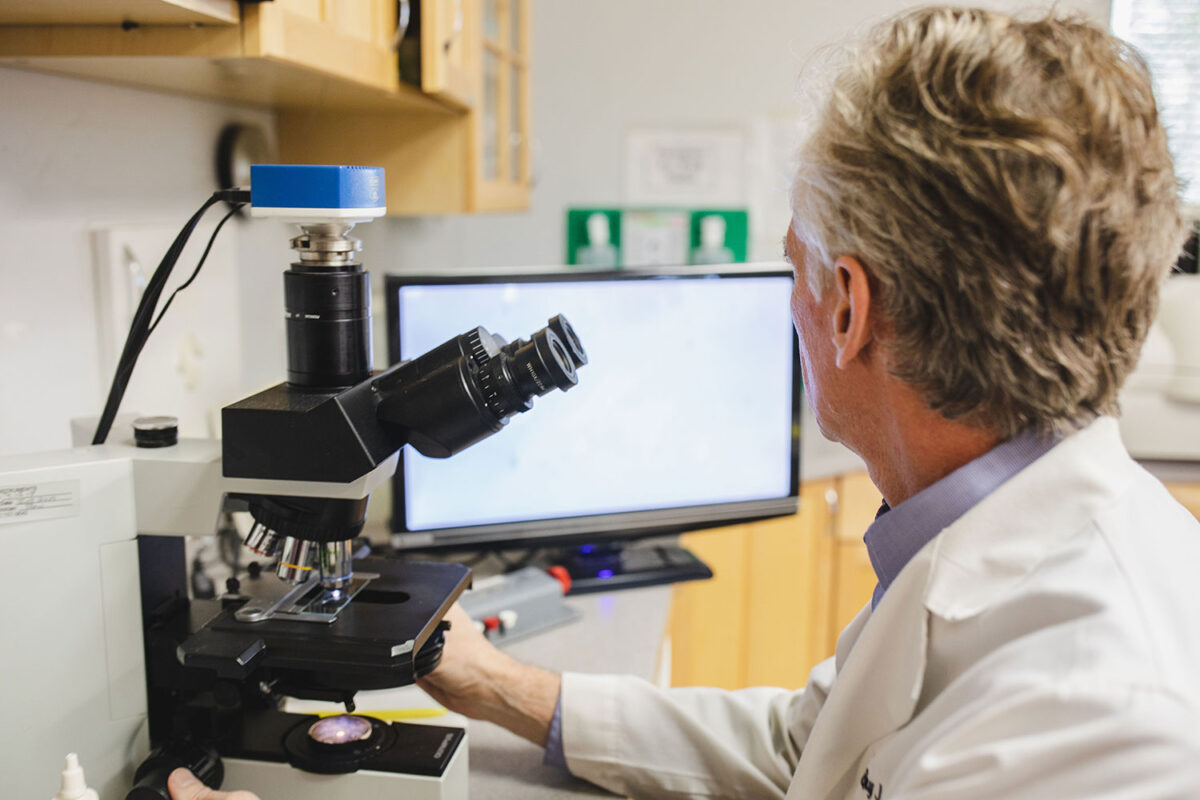


Meet Timothy Gelety: How Tucson’s Leading Infertility Doctor Got His Start Helping Families


For nearly 20 years, the Arizona Center for Reproductive Endocrinology & Infertility has been helping couples and women get pregnant and grow their families. Nothing brings us more joy than seeing them hold their precious little babies after battling infertility.


Our work and the relationships that we build with our patients are all inspired by the mission of our Director, Timothy Gelety, MD. He believes every woman has the right to be a mother and every couple has the right to have a family.


Patients come from all over the U.S.—and even the world—to work with Dr. Gelety and his team and grow their families because of his long history of achievement in the field of reproductive endocrinology and infertility. Here’s how Dr. Gelety came to Tucson and began helping thousands of people in the community successfully get pregnant.


School & Certifications


During school at Ohio State University College of Medicine, Dr. Gelety first explored the field of neurology, but instead, decided on the specialties of obstetrics and gynecology (OB/GYN), primarily because of the opportunities available in reproductive endocrinology and infertility. At the time, the first babies were being born from in vitro fertilization, and it was a very exciting area to be studying.


After medical school, Dr. Gelety completed his residency in OB/GYN at the University of California San Francisco (UCSF), which was—and still is—a very prestigious program. He then went on to join a fellowship for specific training in endocrinology and infertility at the University of California Los Angeles (UCLA).


Pioneering Reproductive Endocrinology & Infertility Research at the University of Arizona


With his board certification in OB/GYN and reproductive endocrinology and infertility, Dr. Gelety came to Tucson in 1995 to join the University of Arizona’s Department of Obstetrics and Gynecology as a faculty member. He became an assistant professor in reproductive endocrinology and fertility, founded the in vitro fertilization program at the university, and later went on to become the head of the Department of Reproductive Endocrinology and Infertility.


The program at UA was the first to successfully use cryopreservation of embryos in Arizona and was the first to achieve a pregnancy of frozen and thawed embryos. Dr. Gelety also started the program of intracytoplasmic sperm injection (IPSI) at the university using grant funding; this led to his team being the first in Arizona to achieve a pregnancy through IPSI.


While at UA, Dr. Gelety also initiated a program for egg freezing in conjunction with the bone marrow transplant program at the university. Again, they were the first in Arizona to successfully freeze immature eggs in women who were undergoing cancer therapy.


Opening AZCREI & Helping Patients Start their Families


In 1999, Dr. Gelety took the infertility programs he started at UA and brought them into the community of Tucson. Now, leading the team at Arizona Center for Reproductive Endocrinology & Infertility, he helps patients overcome their infertility issues to realize their dreams and get pregnant. When he meets with couples who are trying to get pregnant, he works with both the male and female partners to determine what the underlying issue(s) may be. Once it’s diagnosed, AZCREI uses modern medicine and technology to complete the appropriate procedures to allow them to have children. Sometimes the issue might be hormonal, other times it can be physical—involving problems with their reproductive organs, and with some patients, the obstacle might be more psychological and due to the stress that’s involved with getting pregnant.


Dr. Gelety says his favorite parts about the field of reproductive endocrinology and infertility is that it’s both very challenging and very rewarding. The results are very positive and gratifying. When the team at AZCREI is successful, it’s a beautiful thing—families are able to grow and experience the overwhelming happiness of holding their baby.


Since the beginning, Dr. Gelety and AZCREI’s goal has always been to help patients achieve pregnancy and have a bundle of joy to call their own. Contact us today by calling (520) 326-0001 or visit us online to schedule your visit.

Patient Profile: How We Helped One Woman Overcome Endometriosis to Have a Baby

At the Arizona Center for Reproductive Endocrinology & Infertility, we specialize in helping women get pregnant when they’ve had difficulty conceiving naturally. Dr. Timothy Gelety and the rest of the team at the AZCREI were able to help one woman achieve a pregnancy after she had unsuccessfully been trying for more than two years.

When she and her husband came into our clinic, they hadn’t yet sought any treatment or evaluations. This is probably the most common scenario. Oftentimes, when patients have difficulty getting pregnant, they see their OB/GYN who completes a few rudimentary tests, and can’t determine the problem; everything seems normal and everything checks out.

That’s where we come in—it’s our job to figure out the cause of the infertility and find a solution. Here’s how we helped this couple finally get pregnant.


Our Initial Consultation

During the first visit with this couple, we talked about the odds of getting pregnant naturally. The fact that they had tried for two years without success suggested that there might be a problem with infertility. We explained the typical processes that go into achieving a pregnancy—regular menstrual cycles and ovulation, a high sperm count, no complications with the uterus and fallopian tubes—and discussed the tests we’d need to perform to narrow down what the issue might be.

This was also the time for the couple to ask any questions they had and for us to create a plan to identify the possible cause.


Identifying the Problem

To start with, we completed tests to make sure the woman was ovulating regularly and producing proper hormones. We also did a semen analysis to determine if the man’s sperm count was high and the sperm mobile. Those results were inconclusive, so we continued testing with an ultrasound and hysterosalpingogram (HSG) to check the uterus and fallopian tubes for abnormalities that may have been preventing a pregnancy.

Everything seemed normal with this couple; the woman was ovulating, there were no issues with her uterus or fallopian tubes, and the man’s sperm was normal as well. This raised our suspicion of an unseen cause of infertility, which is typically endometriosis in women in their early 30s. We then decided to try empiric treatment—in this case, several cycles of ovulation induction—to try to increase the woman’s fertility.

The patient began taking medication to induce multiple ovulations to make her more fertile than she would be naturally. We tried this for about three cycles without success, which again furthered our suspicion that the problem was most likely endometriosis.

Many patients don’t believe they can have endometriosis because they’re not experiencing the pain or cramps that women with the condition often endure. However, one of the major symptoms of endometriosis is unexplained infertility. The definitive test to determine if a woman has endometriosis is a diagnostic laparoscopy. Once we scheduled and performed this procedure, we saw that the patient had significant endometriosis, which we were then able to treat.


Achieving a Successful Pregnancy

Within the first cycle of treatment after the laparoscopy, our patient got pregnant. It’s actually very common that once we treat the endometriosis, the problem is solved and a pregnancy follows fairly easily.

Many of our patients appreciate that we treat the underlying issue of endometriosis because it typically solves the problem for any future pregnancies. There are some couples who would prefer to jump straight into in vitro fertilization, skipping the laparoscopy, and that’s an option that would typically result in a pregnancy as well. The difference, though, is that if a couple was to decide to have another child, they would have to opt for IVF again because we were never able to officially determine the cause of infertility without the laparoscopy.

Endometriosis makes it more difficult to get pregnant, but once a pregnancy is achieved, it doesn’t make the pregnancy any more difficult. The treatments we performed will not influence the outcome or the rest of her pregnancy.

Once our patient got pregnant, everything went well. We followed her through her first trimester, and now she’s off to her OB/GYN who will oversee the rest of her journey.

If you and your partner have been struggling to get pregnant without any clear reason as to why, contact the AZCREI today by visiting us online or calling 520-326-0001. Our proven success has made us one of the best clinics in the country, and we look forward to helping you overcome your infertility and grow your family.

5 Qualities to Look for in an Infertility Specialist and Center

With a situation as important and involved as treating infertility, you want to make sure you’re consulting a team who is going to best help you have a healthy, happy baby. Every fertility clinic will have its own advantages and qualities, so choosing one can be complicated. There are certain aspects to look for that might help you navigate the number of centers available to you.

Here are a few things to consider when you’re selecting an infertility specialist and center to help you start your family.

  1. Track Record of Success

A clinic’s track record and success rate can typically be measured by word of mouth from past patients or by reviewing the national statistics on in vitro fertilization outcomes. The latter can be found through the Society for Assisted Reproductive Technology (SART) website. SART is an organization that collects and organizes fertility clinic success rate reports to make it easy and efficient to compare each center.

Over the years, SART has done an exceptional job at verifying the accuracy of centers’ success rates and standardizing the way they are reported. The website allows you to sort the rates and findings by diagnosis, age, and types of procedure so you can make an objective comparison with unbiased results.

  1. Cost

The cost of treatments can vary greatly based on the actual procedure, clinic, and geographic region. While an upfront price might seem more reasonable at one clinic than another, it’s important to do a cost-benefit analysis taking success rates into account. Ideally, you want to find a clinic with outstanding success rates, but you shouldn’t have to spend an exorbitant amount of money for those results.

  1. Transparent Pricing

Seeking a cost-effective option may often lead couples to misleading clinics and deals. If a pricing figure sounds too good to be true, it usually is. Over the years we’ve seen infertility treatment centers advertise money-back guarantees. With these deals, they’ll ask patients to pay for three rounds of in vitro fertilization up front, for example, and if pregnancy isn’t achieved by the third round of treatment, they get their money back.

However, these clinics frequently cherry-pick the “best” candidates to qualify for this pricing, so if they deem a patient has a poor prognosis, the cost of treatments may be exponentially higher. There’s a high chance the patients who do qualify get pregnant after the first round of treatment, which means the additional procedures they’ve already paid for is straight profit for the clinic.

In the end, these types of deals end up costing patients more than if they had gone through the process in a more reasonable manner, starting with simple tests and procedures.

  1. Personalized Care

Advances in fertility technology make it relatively easy for facilities and clinics to help couples get pregnant. Many clinics have taken advantage of that ease by creating gigantic centers that admit as many patients as possible. The downside to these larger facilities is the loss of personal and personalized care. Couples may not see the same doctor, and the quality of care might not be consistent with every visit. Because infertility treatment can be such an intimate process, couples should consider the size of a facility as one of the determining factors. The majority of patients will feel more comfortable at a smaller clinic, where they can build a relationship with the doctor, nurses, and rest of the staff. And this can be a tremendous advantage if questions, concerns, or stressful circumstances arise.

  1. A Doctor Who’s on Your Side

Ultimately, couples should look for a fertility center that has a doctor who is truly on their side. When a doctor is looking out for a couple’s best interest, they won’t push unnecessary treatments or tests; instead, they’ll work with a couple to create a plan that will best address the problems. Couples should be presented with a reasonable approach that includes straight-forward pricing. They should be comfortable with the entire treatment plan and feel able to discuss any concerns with their doctor.

The Arizona Center for Reproductive Endocrinology & Infertility has been serving our community and helping couples find the joy of growing their family for more than 20 years. Our experience and detailed care has given us consistently high, reproducible pregnancy rates

Everyone from our physician, to nurses, to billing department, to front-desk staff is on the couple’s side. Our goal has always been to help ease the stress of infertility and help our patients have a healthy, happy baby.

For more information or to schedule an appointment with AZCREI, visit us online or call 520-326-0001.

3 Things to Consider When Choosing an Egg Donor

For some couples, the most successful route in achieving a pregnancy involves using an egg donor. At the Arizona Center for Reproductive Endocrinology & Infertility, we provide an extremely personalized service to those couples looking to use an egg donor to get pregnant. We’re able to guide both the couple and the donor through the entire process, making sure everyone’s expectations and goals in having a healthy baby are met.

While we take care of the medical aspects of the process, the couple plays the ultimate role in deciding who will be their donor. If you feel this is the best option for you, start with these three things to keep in mind as you begin the process of choosing an egg donor.


Health & History of the Donor

The most important characteristic to consider when choosing your egg donor is one you actually don’t have to spend too much time worrying about. All AZCREI donors are carefully and thoroughly screened for their health and suitability to donate. We’ll stress this before you even start the process of seeking an egg donor.

When we screen women who are coming through our donation program, we’re reviewing that they’re young, healthy, and that they would make a good candidate. Our screening process also looks at their mental and psychological stability as well as their genetic health. This ensures that you don’t have to worry about your baby inheriting any potentially harmful diseases or medical issues.

In fact, we screen three generations of the donor’s family—grandparents, parents, and siblings—to make sure there are no possibilities for disease or issues that could be passed on. While we do keep the donor’s identity anonymous, you are privy to their entire relevant medical history so that you can make an informed choice.

Known donors, like friends or family members, are required to go through the same rigorous screening procedures to ensure they will also be able to donate healthy, viable eggs.


Physical Characteristics

Of course, in choosing an egg donor, you get to decide the physical features and qualities of the donor. This part of the process can be overwhelming to some couples, so we suggest taking the time to discuss which attributes are most important to you and your partner before you start looking through our registry of donors.

Some of the characteristics you can choose in a donor include:

  • Appearance: height, weight, hair color, hair texture, eye color, etc.
  • Background: ethnicity, religion, education, etc.
  • Personality: intellect, interests, career, etc.

It’s typically easy for a woman to find a donor with an appearance and desired traits that are very similar to hers. While we do have our own registry to work with, we can expand our search to donors from other parts of the country in the rare cases there is difficulty finding a close enough match. Patients also have the option of using a family member; this route keeps the genetics within the family so the cosmetic match is even stronger.


Your Comfort Level with the Process

At AZCREI, we never push our patients to choose one procedure over another unless they are completely comfortable with the process. It’s important to remember that at the end of the day, your baby will have distinctive characteristics that he or she shares with the egg donor. It’s also imperative to keep in mind that at the end of this process, you will ultimately achieve your dreams of having a healthy, happy baby. And many times, we’re able to help our donors find such a close match, that it’s difficult to determine that a donor was used.

Our team offers personalized support, care, and guidance, so if you have any hesitancy or questions about the egg donation process, we want you to feel comfortable coming to us. We won’t pressure you into a decision; instead, we discuss your options and answer all your questions, equipping you with the information to make the decision that’s best for you and your partner.

To make an appointment and learn about your options when it comes to egg donation, visit AZCREI online or call us at 520-326-0001.